
The Sniper Decision
Three SecondsThis thread traces the escalating command decisions that transform a hostage rescue into a lethal shot, and the later discovery that Hoffmann shaped the firing opportunity.
increasing Bearing strength in each event
 decreasing
Bearing strength in each eventdecreasingThe Wrong Place to Storm
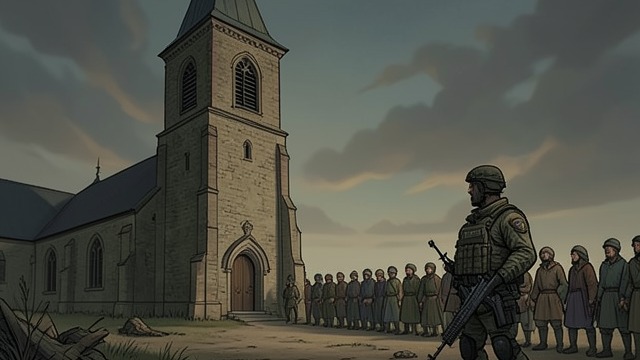
Tactical Constraints
Hostages in view
The task force confirms that two hostages are alive in the workshop, but an entry would take longer than Hoffmann needs to kill them. The armed prisoner has chosen a location with limited access and a clear view from the church.
The ordinary assault plan is judged too dangerous.
A long-range problem
Marksmen can see the window but lack the equipment and training to reach it. The distance is fifteen hundred and three meters.
Every available option appears to increase the risk to the hostages.
A Military Workaround
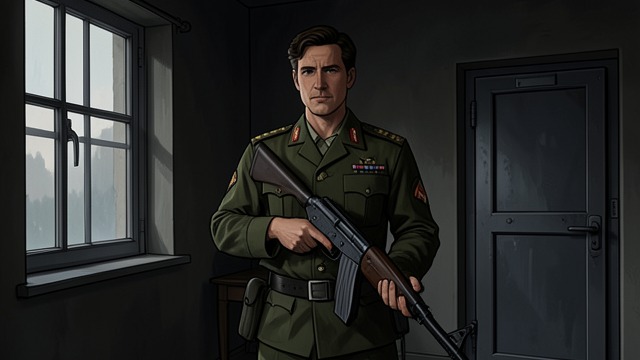
Finding a Shooter
A legal barrier
Grens requests a military marksman, but law prevents the armed forces from being used in a police operation where force against a civilian may be required. Officials search for a legal route around the restriction.
They temporarily appoint a discharged marksman as a police officer.
Capability with a cost
Sterner arrives with an M107 anti-materiel rifle whose ammunition can penetrate the reinforced window but cannot merely injure a person.
The technical solution removes one obstacle and sharpens the moral choice: the shot will almost certainly kill.
The Target Appears to Know
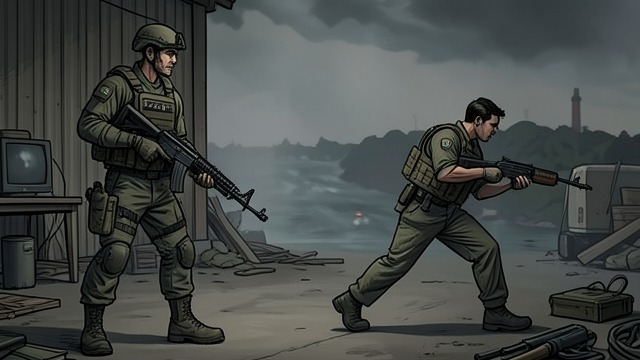
A Suspicious Pattern
Precise movement
Sterner notices that Hoffmann moves just as a shot is about to be fired, then remains still when the third order comes. The timing seems too precise to be accidental.
He suspects that Hoffmann may know he is within range.
A hidden communication line
Hoffmann has placed a solar-powered transmitter on the church tower railing and can hear the conversations between the sniper and observer.
The suspect’s knowledge explains the movement, but the authorities do not yet understand that their tactical dialogue is part of Hoffmann’s escape plan.
Three Orders to Fire
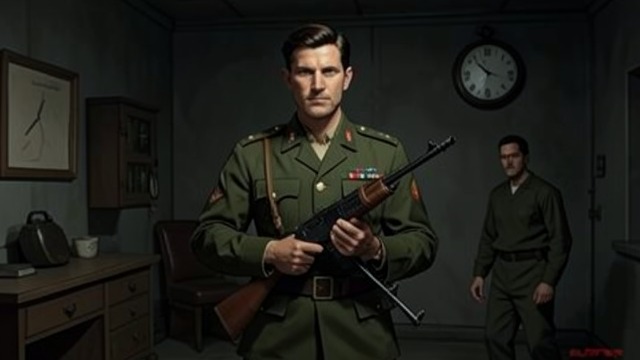
The Lethal Command
The commander’s burden
Grens reads the false prison dossier and believes Hoffmann is capable of killing the hostages. He orders the marksman to fire, then repeats the command after Hoffmann moves out of view twice.
The decision is made under a countdown and with incomplete, manipulated information.
A timed response
Hoffmann hears the order through the hidden receiver and waits until the bullet is in flight before moving and lighting the fuse.
The shot and explosion occur within seconds. The command appears to end the siege, but the sequence has been engineered to conceal Hoffmann’s survival.
The Siege Reinterpreted
A Different Meaning
A deliberate target
Sterner later tells Grens that Hoffmann seemed aware of the firing line and may have wanted the sniper to shoot him. His training file confirms that Hoffmann had received sniper instruction.
The workshop position and repeated movements were deliberate.
A hidden objective
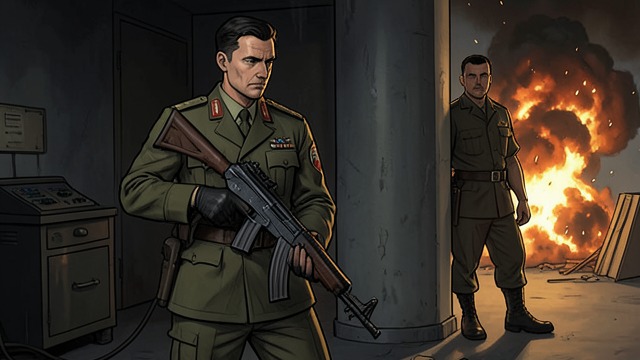
Forensic evidence shows that the explosion was separate from the projectile and designed to destroy bodies and obscure identification. Hoffmann had built a means of surviving behind a pillar.
The hostage crisis was not simply an attempted rescue gone wrong; it was also a staged death and escape.
May 27, after the National Task Force arrives
During the middle hours of the siege
As Sterner observes the workshop window
The final three seconds before the explosion
After the sniper and observer explain their doubts
